home/blogs/HealwithIshii : Blog #0004
Blog#0004 - What is meditation? — a detailed guide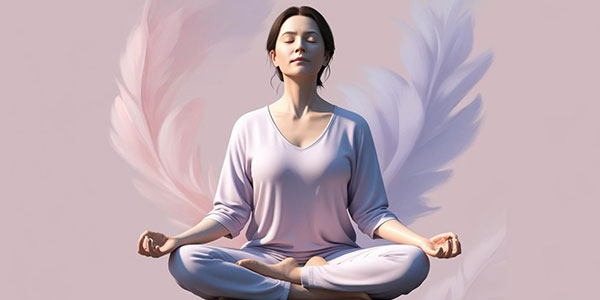
Meditation is a set of mental practices that train attention, awareness, and how you relate to your thoughts, feelings, and bodily sensations. At its core it’s about intentionally resting the mind — not to force it blank, but to notice what’s happening inside you with more clarity and less reactivity. People practice meditation for many reasons: greater calm, better focus, emotional clarity, spiritual insight, or simply to feel more present in daily life.
Meditation has ancient roots across many cultures (Buddhist, Hindu, Taoist and other contemplative traditions) but modern secular forms grew from those lineages and from scientific interest in the last century.
- Attention training: you learn to direct and sustain attention and to notice distractions without getting lost in them.
- Regulation of reactivity: by observing thoughts and emotions, you create space between stimulus and response, so you react less automatically.
- Body relaxation response: regular practice often lowers physiological arousal.
- Mindfulness / Vipassana: open, non-judgmental awareness of breath, body, thoughts.
- Concentration (Samatha): focus on one point to stabilize attention.
- Loving-kindness (Metta): cultivates benevolence and compassion.
- Mantra / Transcendental, Visualization / Guided imagery, Movement-based meditation, and Body-scan are other common approaches.
- Set a tiny goal. Start 5 minutes daily for 1–2 weeks.
- Choose a comfortable posture and use the breath as an anchor.
- When the mind wanders, gently bring it back.
Meditation is safe for most people, but it can bring up strong emotions or memories for some. If intense feelings arise, stop, ground yourself, and seek guidance from a trained teacher or mental-health professional.